%2Ffit-in%2F250x250%2Fguide_websites%2F16431%2Fimages%2F1718812762371untitleddesign17.png&w=1920&q=100)
Peacock Bass Caught in Palmetto Bay FL
Peacock Bass in Palmetto Bay - What to Expect
%2F%2Fusers%2F1a3a2729-b3de-40f9-9f31-2b2ab5257976%2Fimages%2Fpalmetto-bay-peacock-bass-catch-2562.jpg&w=1920&q=75)
Fishing Charter by Captain Yoan Alvarez in May
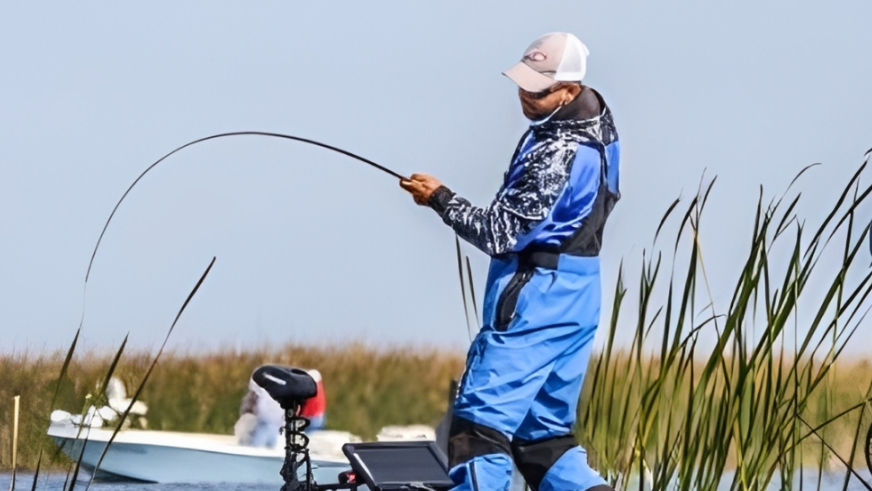
- Book The Top Everglades Fishing Charters Now!


Summary
Get ready for intense peacock bass action on a fishing charter in Palmetto Bay, FL with Captain Yoan Alvarez of Professional Hooker Fishing Trips. This Wednesday, May adventure delivers hard-hitting strikes and explosive surface action as you tangle with one of Florida's most aggressive gamefish in the heart of the Everglades ecosystem.
Fishing Charter with Captain Yoan Alvarez - Rates & Booking
Captain Yoan Alvarez of Professional Hooker Fishing Trips delivered explosive action on Wednesday, May 7th, landing this vibrant peacock bass in Palmetto Bay. Peacock bass fishing charters with Captain Yoan combine local knowledge and proven techniques to put you on trophy-class fish. This fishing charter experience gives you direct access to some of Florida's most productive waters, guided by a captain with deep expertise in peacock bass behavior and seasonal patterns.
Book your peacock bass fishing adventure today and experience the raw power and speed these incredible gamefish deliver. Contact Professional Hooker Fishing Trips to reserve your charter and get rates tailored to your group size and schedule.
Highlights of Peacock Bass Fishing
Peacock bass are the adrenaline rush of Florida fishing. These fish hit hard, fight aggressively, and leap spectacularly. Captain Yoan positions anglers in prime habitat where strikes happen fast, keeping the action non-stop throughout your day on the water.
The Palmetto Bay and Everglades region delivers consistent peacock bass encounters, with opportunities for multiple hook-ups and the chance to land genuine trophy specimens. Every cast brings the possibility of an explosive strike that sends your heart racing.
Local Species Insights: Peacock Bass
Peacock bass are among Florida's most electrifying gamefish, prized for their aggressive strikes and acrobatic fights. Native to South American waters but now thriving in Florida's interconnected canal systems and waterways, these fish have adapted perfectly to the Everglades ecosystem and surrounding areas.
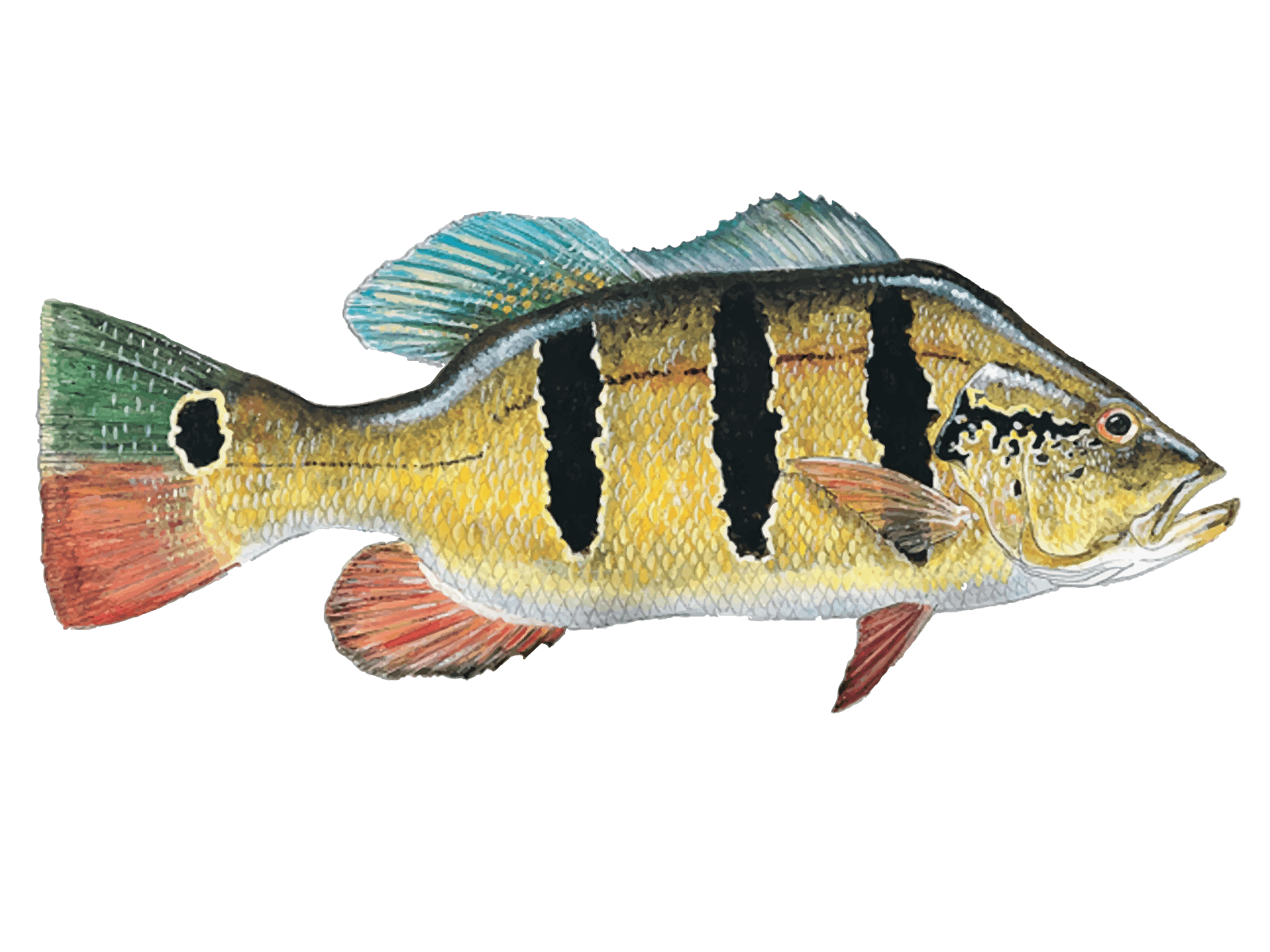
These fish are hunters. They ambush prey with lightning-fast acceleration, and when they strike a lure, they commit fully. Peacock bass display vivid coloration - brilliant yellows, greens, and blacks - which intensifies during spawning season and when they're in attack mode. Their speed and power make them exceptional fighters that will test your skills and equipment.
The Palmetto Bay region provides ideal conditions for peacock bass because of its shallow flats, deeper channels, and abundant forage. Captain Yoan knows where these fish concentrate and how to trigger strikes using strategic lure selection and precise casting. Whether you're targeting structure, weed lines, or open water, peacock bass respond aggressively to well-presented offerings.
What makes peacock bass fishing so addictive is the unpredictability. You might experience back-to-back hook-ups or have a single massive strike that tests everything you've got. The Everglades waters around Palmetto Bay deliver both scenarios, and that's what keeps anglers coming back for more action.
Fishing in Everglades: Peacock Bass
Peacock Bass Overview
The Peacock Bass (Cichla Ocellaris) is one of the most exciting and aggressive freshwater game fish you'll encounter in Florida waters. Belonging to the Cichlidae family and classified in the order Perciformes, this South American import has become a legendary target for anglers seeking a hard-fighting, fast-striking predator. Despite its name, the Peacock Bass isn't actually related to American bass species—it only shares similar size and shape. What sets it apart is its stunning coloration, incredible speed, and its notorious temperament that's earned it the nickname "freshwater bully." When you're fishing around Florida's canals and lakes, especially in the Miami area, you're engaging with one of the most dynamic invasive species success stories in modern fishing history.
Introduced to Florida in 1984 as a biological control measure to manage tilapia and oscar populations, the Peacock Bass has thrived beyond all expectations, becoming an absolute staple of South Florida's recreational fishing scene. Its popularity has skyrocketed among both casual and competitive anglers who appreciate its aggressive strikes, acrobatic fights, and the sheer unpredictability that comes with every cast.
Peacock Bass Habitat and Distribution
This species thrives exclusively in warm freshwater environments and cannot survive in waters below 60 degrees Fahrenheit, which is why Florida—particularly South Florida—remains its stronghold in North America. The Peacock Bass prefers slower-moving waters with plenty of structure, making lakes, ponds, creeks, and the extensive canal systems ideal homes. The 330 miles of interconnected canals spanning Dade, Broward, and Palm Beach counties represent some of the most productive Peacock Bass fisheries anywhere, with populations concentrated throughout these waterways.
These fish gravitate toward shaded habitats, particularly beneath trees, under bridges, and around dense aquatic vegetation. They love areas with fallen timber, rocky structures, and canal intersections where they can ambush prey. The farther south you venture in Florida, the better your odds of finding abundant populations. The species' distribution remains largely confined to Florida's canal system and connected water bodies, making this region the epicenter of North American Peacock Bass fishing.
Peacock Bass Size and Weight
The Peacock Bass grows remarkably fast, and what's truly impressive is how quickly they reach impressive sizes. On average, you can expect fish ranging from 10 to 29 inches in length, with weights typically between 3 to 15 pounds. However, the unofficial record stands at an astounding 35 inches, suggesting there's always potential for encountering a true trophy specimen. Young fish achieve 12 to 14 inches within less than two years, making this one of the fastest-growing game fish in the region.
What makes their growth particularly remarkable is their conversion rate—they can add approximately 1.5 pounds for every additional inch of growth, meaning a 20-inch fish might weigh around 12 to 14 pounds. These fish typically live 6 to 10 years in the wild, providing a solid window of opportunity to encounter different size classes throughout the year. Larger adults often display a prominent nuchal hump on their foreheads, a characteristic that becomes more pronounced with age and spawning cycles.
Peacock Bass Diet and Behavior
The Peacock Bass is an apex predator in its environment and will consume almost any fish smaller than itself. Their preferred prey includes tilapia, oscar fish, crayfish, tadpoles, mosquitofish, minnows, and guppies—hence the term "peacock shiners" used by anglers to describe particularly effective golden shiner baits. Their combination of incredible speed and a massive mouth makes them devastatingly efficient hunters that rarely miss opportunities.
These fish are strictly diurnal hunters, meaning they're most active and aggressive during daylight hours when visibility is optimal for stalking prey. This behavioral trait makes daytime fishing the obvious choice for anglers. During spawning season and peak seasons (March to June and September to December), larger adults become even more aggressive and territorial. The species' coloration intensifies during spawning periods, with yellows, greens, reds, and oranges becoming more vibrant—a visual indicator of their heightened aggression and feeding intensity.
Peacock Bass Spawning and Seasonal Activity
The Peacock Bass spawns between April and September, with peak spawning activity occurring in May and June when water temperatures are ideal. During this period, adult pairs create spawning sites near shorelines on hardened flat surfaces where eggs can be safely laid. Both parents exhibit exceptional parental care, actively defending eggs and fry from predators and even transporting larvae with their mouths to shallow depressions in sediment and rocky structures.
For anglers, understanding this spawning cycle is crucial because fish become extremely territorial and aggressive during these months. Their colors intensify dramatically, making them more visually striking and, paradoxically, more willing to attack lures. The best fishing periods occur during the pre-spawn (March through early April) and post-spawn recovery periods (July through September), as well as during the secondary feeding season from October through December. These peak seasons align with when larger specimens are most readily caught.
Peacock Bass Techniques for Observation and Capture
Casting from Shore: The most popular method involves light spinning or bait-casting tackle with 12 to 15-pound test line. Target rocky, shaded areas such as bridge pilings, canal intersections, points with dense aquatic vegetation, fallen trees, and canal dead-ends. Cast topwater jigs, spoons, or crankbaits in areas where the fish can ambush prey. Peacock Bass doesn't respond well to plastic worms (a key difference from largemouth bass fishing), so focus on hard baits and artificials. Around Miami's canal systems, casting in the early morning or late afternoon into shaded areas near dense vegetation produces explosive strikes.
Live Bait Fishing: Golden shiners—affectionately called "peacock shiners" by Florida anglers—represent the most effective live bait option. These silvery fish trigger aggressive predatory responses from even the most cautious Peacock Bass. Fish them beneath cork floats in deeper areas or drift them through canal systems where structure provides ambush points. Still fishing with live shiners in deeper holes and canal intersections yields consistent results, particularly during the heat of midday when these fish retreat to deeper, cooler water.
Fly Fishing and Trolling: Fly anglers should deploy large streamers, particularly marabou patterns in flashy colors. Trolling with small crankbaits along deeper canal routes allows you to cover more water and locate active fish quickly. Both methods work year-round but produce particularly well during peak seasons. Around South Florida canals, early morning trolling before the sun reaches its zenith can produce multiple strikes within a single outing.
Peacock Bass Culinary and Utilization Notes
The Peacock Bass offers good eating quality with firm, flavorful white meat that responds well to various cooking methods. The flesh has a mild, slightly sweet flavor profile that appeals to most palates, making it a versatile option for grilling, frying, baking, or blackening. Many South Florida restaurants and local guides feature Peacock Bass on their menus, particularly preparations that highlight its delicate texture.
From a sustainability perspective, the Peacock Bass represents an interesting case study—while it's technically invasive in Florida, its presence has actually helped control populations of other invasive species like tilapia and oscar fish. Some conservation-minded anglers view catch-and-release practices as preferable to preserve the sport fishery, while others practice a selective harvest of larger specimens. Check current Florida Fish and Wildlife Conservation Commission regulations regarding size and bag limits before planning your trip. Nutritionally, Peacock Bass provides excellent protein and omega-3 fatty acids comparable to other premium game fish.
Peacock Bass Frequently Asked Questions
Q: What is the best bait or lure for catching Peacock Bass?
A: Live golden shiners—known as "peacock shiners" among local anglers—represent the most effective bait option due to their bright coloration and natural movement. If you prefer artificials, topwater jigs, spoons, and crankbaits consistently produce strikes. Avoid plastic worms, as Peacock Bass responds much better to hard baits and live offerings than they do to soft plastics.
Q: Where can I find Peacock Bass near Miami and South Florida?
A: The extensive canal systems throughout Dade, Broward, and Palm Beach counties offer some of the most accessible and productive Peacock Bass fishing anywhere. Focus on canal intersections, bridge pilings, areas with fallen trees, and dense aquatic vegetation. The 330 miles of interconnected canals in this region virtually guarantee opportunities if you can access the water—many canals border public roads or have public boat launch facilities.
Q: Is Peacock Bass good to eat?
A: Yes, absolutely. Peacock Bass offers firm, white, flavorful meat that compares favorably to other premium game fish. The flesh has a mild, slightly sweet taste that works well with various cooking methods including grilling, frying, baking, and blackening. Many local restaurants feature it on their menus. Always check current Florida Fish and Wildlife regulations regarding harvest limits and size restrictions.
Q: When is the best time to catch Peacock Bass?
A: Peak fishing seasons occur from March through June and again from September through December. During these periods, fish are larger, more aggressive, and more readily caught. Within each day, daytime hours produce the best results since these fish are strictly diurnal hunters. Early morning and late afternoon offer particularly good opportunities, though midday fishing in deeper canal systems remains productive.
Q: How fast do Peacock Bass grow?
A: Peacock Bass is one of the fastest-growing freshwater game fish. Young fish reach 12 to 14 inches within less than two years. They gain approximately 1.5 pounds for every additional inch of length, meaning a 20-inch specimen might weigh 12 to 14 pounds. These fish typically live 6 to 10 years in the wild, providing multiple generations of fishing opportunities.
Q: Why is Peacock Bass called a "freshwater bully"?
A: This nickname stems from their extraordinarily aggressive predatory behavior and territorial nature. Peacock Bass will attack almost any fish smaller than itself, display aggressive dominance behaviors during spawning season, and strike with surprising violence at both live bait and artificial lures. Their combination of speed, large mouths, and fearless hunting style makes them one of the most aggressive freshwater predators in Florida's waterways.